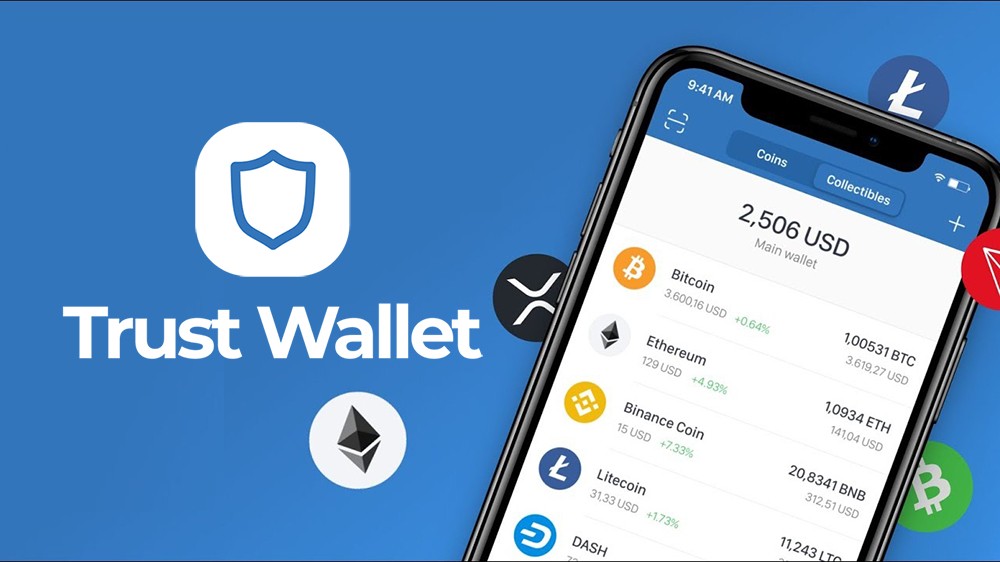
Trust Wallet
Introduction: What Makes Trust Wallet So Popular?
Trust Wallet has become one of the world’s most widely used mobile crypto wallets, especially among new users who want a simple way to store, transfer, and manage digital assets. It’s a fully non-custodial wallet, which means you — not any company — control your keys and your crypto. With millions of users, support for thousands of cryptocurrencies, built-in staking, quick swaps, and a simple interface, Trust Wallet is designed for anyone who wants secure and easy access to Web3.
Whether you’re completely new to crypto or upgrading from another wallet, this guide will walk you through everything you need to know about Trust Wallet — how it works, its features, security, setup, and how to use it safely.
What Is Trust Wallet?
Trust Wallet is a mobile cryptocurrency wallet that allows users to store, send, receive, stake, and swap a wide variety of digital assets. It was originally launched in 2017 and later acquired by Binance, but it remains fully non-custodial. This means your recovery phrase and private keys are stored locally on your device, not on any company server.
Some key points about Trust Wallet:
It supports 100+ blockchains
It can store 10 million+ crypto assets
It works on both Android and iOS
It has a built-in Web3 browser for dApps
It allows staking, swapping, and NFT management
Trust Wallet is essentially a gateway into decentralized finance, allowing users to interact with the blockchain without complicated setups.
How Trust Wallet Works
Trust Wallet functions as a personal gateway to various blockchains. It does not actually store your crypto on the phone; instead, it stores the keys that let you access your crypto on the blockchain.
Here’s how it works under the hood:
Each blockchain (Ethereum, Bitcoin, BNB Chain, Solana, etc.) uses its own address format.
When you create a Trust Wallet, the app generates a recovery phrase.
This recovery phrase mathematically creates your private keys.
The private keys generate your wallet addresses.
Your crypto stays on the blockchain — Trust Wallet simply gives you access to it.
Because the wallet is non-custodial, only you have access to your recovery phrase. If you lose it, Trust Wallet cannot help you recover your crypto.
Key Features of Trust Wallet
1. Multi-Chain Support
Trust Wallet supports:
Bitcoin (BTC)
Ethereum (ETH)
BNB Chain (BNB, BEP20 tokens)
Tron (TRX)
Polygon (MATIC)
Solana (SOL)
Avalanche
Arbitrum
Optimism
Dogecoin
100+ other blockchains
This makes Trust Wallet one of the most versatile wallets available.
2. Built-In Crypto Swaps
Trust Wallet includes swap functionality powered by third-party providers like 1inch and PancakeSwap. With this, users can quickly exchange one token for another without leaving the app.
Benefits:
No registration
No KYC
Fast transactions
Works with many networks
However, swap fees and network gas fees still apply.
3. Staking and Earning Rewards
Users can stake supported cryptocurrencies and earn passive rewards. Popular staking assets include:
BNB
Solana
Polkadot
Tron
Cosmos
Ethereum (via liquid staking partners)
Staking rewards vary depending on the network and validator selected.
4. NFT Support
Trust Wallet supports NFTs from major blockchains such as:
Ethereum
BNB Chain
Polygon
Solana
You can view, send, and receive NFTs directly within the wallet.
5. dApp Browser (Web3 Browser)
One of Trust Wallet’s most useful features is its built-in dApp browser, which lets users access:
DeFi apps (Uniswap, PancakeSwap, Aave)
NFT marketplaces (OpenSea, Magic Eden)
Play-to-earn games
Web3 tools
This allows users to interact with decentralized platforms without needing a computer.
6. User-Friendly Interface
Trust Wallet is known for its simple design:
Clean dashboard
Quick balances
Easy token management
Dark and light mode
Smooth navigation
This makes it ideal for beginners.
How to Install Trust Wallet
1. Download the App
You can download Trust Wallet from:
Google Play Store
Apple App Store
Always ensure you are downloading the official app to avoid scams.
2. Create a New Wallet
Once installed:
Tap Create New Wallet
Agree to the Terms
Choose standard or multi-coin wallet
Trust Wallet will then generate your 12-word recovery phrase.
3. Write Down the Recovery Phrase
This is the most critical step.
Your recovery phrase = access to your crypto.
Rules:
Write it down on paper
Never take screenshots
Never store it in email or cloud storage
Keep backups in secure locations
This phrase is the only way to recover your wallet if your phone is lost or damaged.
4. Confirm the Recovery Phrase
Trust Wallet will ask you to confirm the phrase in the correct order. This ensures you have saved it properly.
5. Start Using Your Wallet
Once set up, you can:
Receive crypto
Send payments
Buy tokens with third-party partners
Swap tokens
View NFTs
Connect to dApps
Your wallet is now fully ready.
How to Add or Receive Crypto on Trust Wallet
Receiving Crypto
To receive funds:
Open Trust Wallet
Select the token you want
Tap Receive
Copy the wallet address
Share it with the sender
Make sure the sender uses the correct network — for example, sending ETH to a BTC address will result in loss of funds.
Buying Crypto in Trust Wallet
Trust Wallet partners with payment providers such as:
Simplex
MoonPay
Transak
You can buy crypto using:
Credit cards
Debit cards
UPI (via some providers)
Apple Pay
Google Pay
Note: Third-party fees can be high.
How to Send Crypto from Trust Wallet
To send crypto:
Open the token you want to send
Tap Send
Enter recipient address
Enter amount
Pay the gas fee
Confirm
Blockchain transactions are irreversible, so always double-check the address.
Security Features of Trust Wallet
1. Non-Custodial Design
Since Trust Wallet does not store private keys or recovery phrases on its servers, users have full ownership of their assets.
2. Local Key Storage
All keys are stored locally on the user’s device using secure encryption.
3. Open-Source Components
Parts of Trust Wallet’s code are open-source, meaning developers can review it for transparency and safety.
4. Optional Security Settings
Users can enable:
App Lock
Biometric login (Fingerprint, Face ID)
Auto-lock timer
These add an extra layer of protection.
Common Uses of Trust Wallet
1. Long-Term Crypto Storage
Many users hold assets like:
Bitcoin
Ethereum
BNB
Stablecoins (USDT, USDC, BUSD)
Trust Wallet makes it easy to store these safely.
2. Accessing DeFi
Trust Wallet is popular among DeFi users who want to:
Provide liquidity
Farm tokens
Trade on decentralized exchanges
Borrow or lend assets
3. NFT Collecting
NFT holders use Trust Wallet to store and send NFTs.
4. Token Swapping
Because Trust Wallet supports many chains, swapping tokens is faster than using centralized exchanges.
Pros of Trust Wallet
✔ Simple and beginner-friendly
Anyone can install and use the wallet within minutes.
✔ Supports a huge range of assets
More than most wallets on the market.
✔ Non-custodial
Users remain in control of their crypto.
✔ Built-in staking and swaps
One app for many functions.
✔ Free to use
The wallet itself is free; only network fees apply.
Cons of Trust Wallet
✘ Mobile Only
There is no official desktop app, which some users prefer.
✘ No seed phrase recovery support
If you lose your recovery phrase, your assets cannot be restored.
✘ High fees for third-party purchases
Buying crypto with card providers may cost more than exchanges.
How to Keep Your Trust Wallet Completely Safe
1. Never Share Your Recovery Phrase
No support team, no friend, and no website should ever ask for it.
2. Beware of Scams
Fake airdrops, phishing websites, and impersonators are common in crypto.
3. Lock Your App with Biometric Security
This ensures that even if someone gets your phone, they can’t open the wallet.
4. Double-Check Addresses
Sending crypto to the wrong network or address results in permanent loss.
5. Use a Separate Device (Optional)
Some advanced users prefer using an older phone strictly for crypto.
Trust Wallet vs Other Wallets
Trust Wallet vs MetaMask
MetaMask is more focused on Ethereum and EVM chains
Trust Wallet supports far more networks
Trust Wallet vs Coinbase Wallet
Trust Wallet is simpler and more beginner-friendly
Coinbase Wallet integrates better with Coinbase features
Trust Wallet vs Ledger (Hardware Wallet)
Ledger offers superior security
Trust Wallet offers convenience and speed
Many users combine both: Trust Wallet for daily transactions, Ledger for cold storage.
Is Trust Wallet Safe?
Yes, Trust Wallet is safe as long as you follow security principles.
The biggest risk is not the wallet itself but:
Losing your recovery phrase
Falling for scams
Sending crypto to wrong addresses
Allowing malicious dApps access
With proper precautions, Trust Wallet is a secure and reliable option.
Final Thoughts
Trust Wallet has firmly established itself as one of the best mobile crypto wallets due to its simplicity, security, and wide asset support. For beginners entering the world of cryptocurrency, it offers everything needed — storage, swaps, staking, NFTs, and access to thousands of dApps. For experienced users, it’s a powerful tool to explore multiple networks and interact with Web3.
By following basic safety practices and managing your recovery phrase carefully, Trust Wallet can be one of the safest and most versatile wallets you’ll ever use.